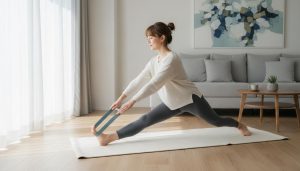
Imagine starting your day with a quiet energy boost. No gym memberships required. No intense workouts needed. Just steady, feel-good motion woven into your routine supports joint health, mood stability, and sustainable energy for busy lives.
Studies from the American College of Sports Medicine show even 10-15 minutes daily lowers stress hormones and improves sleep quality. This approach builds resilience without overwhelm. You’ll stack movement effortlessly using habit cues and environment tweaks for lasting consistency.
These 5 practical tips fit any schedule. Each one takes under 10 minutes. Start small, track small wins, and momentum grows naturally.
Before these habits: Sluggish mornings drag on. Desk hunch sets in by noon. Evenings end in couch slump with tight muscles.
After stacking them: Energized wake-ups flow smoothly. Posture shifts feel fluid during work. Restorative evening routines leave you refreshed. Total daily time stays under 30 minutes.
Rise Gently: 5-Minute Bedside Stretch Routine
This routine eases you out of bed with zero floor time. It loosens hips, spine, and shoulders right where you wake. Expect looser joints and a clearer mind to start your day.
Time estimate: 5 minutes total. Do it seated on the bed edge. Use your first foot on the floor as the cue.
- Seated cat-cow: Inhale arch back, exhale round (10 breaths, 1 min).
- Side bends: Reach arm overhead, lean gently each side (30 sec/side).
- Forward fold: Hinge at hips, let arms dangle (1 min).
- Twist: Hand on opposite knee, look back gently (30 sec/side).
- Ankle circles: Lift foot, rotate both ways (1 min total).
Tweak for mornings: If rushed, cut to 3 breaths per move. Stack with brushing teeth for seamless flow. Readers report steadier energy through lunch.
Transition smoothly into your day. This sets a cue for more movement later. Next, address midday stiffness without leaving your desk.
Midday Desk Flows: Seated Twists and Shoulder Rolls
Counter desk hunch with these quick resets. They release upper back tension and improve focus. Habit stack them with your hourly check-ins.
Time estimate: 3 minutes, repeatable 2-3 times daily. Cue: Phone alarm or email pause. Stay seated—no standing needed.
- Shoulder shrugs: Lift to ears, release slowly (10 reps, 30 sec).
- Neck rolls: Gentle circles, ear to shoulder (30 sec/direction).
- Seated twist: Hand on chair back, rotate torso (30 sec/side).
- Arm swings: Cross arms hug-style, open wide (1 min).
- Wrist flex: Extend arm, pull fingers back gently (30 sec/arm).
Friction reducer: Set a recurring timer app. Busy tweak: Do only twists if short on time. Small win: Notice easier typing by afternoon.
These flows sustain energy without disruption. Now, pair movement with meals for better digestion and steady blood sugar.
Meal-Paired Strolls: Post-Eat Digestion Walks
Short walks after eating aid gut motility and curb post-meal fog. No long hikes—just gentle pacing. Environment tweak: Keep shoes by the door or kitchen.
Time estimate: 5-10 minutes. Cue: Last bite finished. Indoor option: Pace hallway or living room.
- Slow circle kitchen table (2 min).
- Arm swings while walking (1 min).
- Deep belly breaths every 10 steps (throughout).
- Optional: Swing arms across body (2 min).
- End with seated forward fold (1 min).
Adapt for weather: March in place with high knees softly. Stack with podcast listening. Gut health improves steadily with consistency.
This bridges lunch to afternoon tasks refreshed. As evening nears, add breath-focused walks to unwind.
Evening Breath Walks: 10-Minute Neighborhood Loops
These loops pair fresh air with nasal breathing for calm. They signal wind-down to your body. Cue: Sunset or dinner cleared.
Time estimate: 10 minutes. Loop your block slowly. For deeper relaxation, explore A Week of Easy Walking Routines for Beginners.
- Walk at conversational pace (5 min out).
- 4-7-8 breath: In 4, hold 7, out 8 (repeat 5x).
- Shoulder blade squeezes every minute (throughout).
- Return with gratitude scan: Note 3 good things (2 min).
Busy or rainy tweak: Indoor version around home. Small win: Fall asleep faster. Ties perfectly into recovery poses next.
On rest days, shift to floor work. This keeps progress sustainable without daily pressure.
Rest Day Rejuvenation: Floor-Based Recovery Poses
Use these for active rest when walks feel too much. They promote circulation and muscle release. Props: Towel or pillow from home.
Time estimate: 5-10 minutes. Cue: End of day TV time. Lie on a mat or carpet.
- Supine twist: Knees to one side, arms out (2 min/side).
- Legs up wall: Feet skyward, relax (3 min).
- Child’s pose: Knees wide, forehead down (2 min).
- Seated forward fold with strap (2 min).
Enhance with guidance from How to Create Evening Wind-Down Stretches. Chair adaptation for low mobility. Expect deeper sleep as reward.
These tips form a flexible base. Now integrate them into a simple 3-pillar framework using the table below.
Your Custom Movement Routine Comparison
Build your routine around 3 pillars: Start steady in the morning, sustain through the day, recover in the evening. Pick one option per pillar or mix freely. Compare for quick tweaks to fit your life.
| Routine Option | Duration | Cue/Trigger | Adaptation for Busy Days | Expected Small Win |
|---|---|---|---|---|
| Bedside Stretch | 5 min | First foot on floor | Bed-only, 3 breaths/move | Looser joints, clearer mind |
| Midday Desk Flows | 3 min | Hourly timer | Twists only | Better posture, focus boost |
| Meal-Paired Strolls | 5-10 min | Last bite eaten | Indoor pacing | Easier digestion, steady energy |
| Evening Breath Walks | 10 min | Dinner done | 5-min home loop | Calmer mind, faster sleep |
| Rest Day Rejuvenation | 5-10 min | TV time start | Seated poses | Deeper recovery, less soreness |
This table clarifies choices. Adjust cues to match your rhythm. Steady use compounds benefits over weeks.
Common Blockers and Quick Fixes
Forgetting cues derails routines. Fix: Place visual reminders like a sticky note on your mirror or phone wallpaper saying “Stretch first.”
No time feels real in chaos. Fix: Shrink to 2 minutes—consistency over duration wins every time. Habit stack with unbreakable habits like coffee brewing.
Motivation dips on off days. Fix: Focus on feel-good cues, not force. Choose the gentlest option from the table.
Sore spots halt progress. Fix: Modify with props—wall for support or chair for seated versions. Breathe into tension for release.
Environment fights you. Fix: Prep ahead—shoes ready, mat rolled out. Reduce friction for automatic flow.
These fixes keep momentum. Track one simple metric next to build proof of progress.
Tiny Metric: One Easy Tracker for Momentum
Log “movement minutes” daily in a phone note or app. Aim for 15 total across tips. Review weekly: Did energy rise? Adjust one cue if not.
This tiny habit creates visible wins. Sustainable tracking fuels long-term consistency without overwhelm.
Choose one tip from the table and one cue today. Try for 7 days while noting your metric. Small shifts lead to steady vitality.
FAQ
What counts as “gentle” movement if I’m a beginner?
Gentle means low effort—no sweat, no strain. Think walking at a stroll pace, seated stretches, or slow arm circles. If it feels restorative, it counts; scale back if joints protest.
How do I fit this into a packed schedule?
Habit stack with existing routines like meals or alarms. Start with 2-5 minutes per tip to test flow. Over time, cues make it automatic without extra calendar blocks.
What if joint pain flares up?
Switch to supported versions: Use a wall for balance or chair for twists. Focus on breath to ease tension. Consult a doctor for personalized mods, then rebuild slowly.
Is this enough for health benefits?
Yes—consistency delivers results matching WHO’s 150 minutes weekly guideline. Studies confirm low-intensity movement boosts mood and mobility steadily. Layer more as cues stick.
How do I stay consistent long-term?
Rely on cues, environment tweaks, and your tiny metric for feedback. Celebrate small wins weekly, like “15 minutes hit 5 days.” Enjoyment sustains better than force.
For extra evening calm, pair with a simple 10-minute evening relaxation routine. Your body adapts quickly to these patterns.