In this article, we’ll map out a gentle week of walking routines designed for true beginners. Drawing from my own starts—those first 10-minute neighborhood loops that built my confidence—expect warm guidance, real tweaks, and small wins. By week’s end, you’ll have a sustainable routine that fits your life, no pressure required.
Walking transformed my days when I kept it simple. I remember lacing up after coffee, just circling the block. Those tiny outings sparked joy and steadiness that grew naturally.
Ready to build your own rhythm? We’ll use cues, low friction, and celebrations to make it stick. Let’s ease in together.
Three Pillars for Sustainable Walking Habits
Start with this simple framework of three pillars. First, cue your steps with a daily trigger like post-coffee or after brushing teeth. This links walking to something you already do reliably.
Second, keep friction low by prepping shoes nearby and choosing flat paths. I once left my sneakers by the door, cutting decision time to seconds. It made starting effortless.
Third, celebrate consistency over distance. Note a quick “win” after each walk, like feeling calmer. These pillars create steady momentum without overwhelm.
Together, they form a gentle base. You’ll notice cues pulling you out the door naturally. Small wins stack up over the week.
Your Weekly Habit Checklist Table
| Day | Core Routine | Duration | Cue Idea | Notes |
|---|---|---|---|---|
| Day 1 | Gentle flat sidewalk stroll around the block | 10 minutes | Right after breakfast | Notice your breathing rhythm; link it to how to make simple healthy breakfasts quickly for an energy boost |
| Day 2 | Same route, add arm swings for looseness | 10 minutes | Post-morning coffee or tea | Smile at one thing you see; jot a quick mood note |
| Day 3 | Loop the block twice at easy pace | 12 minutes | After lunch | Pair with a deep breath every minute; great digestion helper |
| Day 4 | Explore a nearby park path or driveway laps | 12 minutes | Evening before dinner prep | Observe sounds around you; connect to beginner’s guide to starting mindful walks |
| Day 5 | Walk while chatting on speakerphone with a friend | 15 minutes | Mid-afternoon work or chore break | Celebrate the connection; builds social cues |
| Day 6 | Mindful stroll focusing on footfall rhythm | 15 minutes | Post-dinner wind-down | Reflect on one body sensation; ties into mindful routines |
| Day 7 | Your choice: repeat favorite or mix elements | 15-20 minutes | Strongest cue from the week | Plan one tweak for next week; savor the progress |
This table keeps things visual and simple. Print it or screenshot for your fridge. Each day builds gently, with cues to reduce decision fatigue.
I followed a similar setup my first week. By Day 4, the post-lunch cue felt automatic. Adjust durations if needed—progress comes from showing up.
Smooth Out Common Blockers with Quick Fixes
Blockers pop up, but quick fixes keep you moving. Weather woes? Shift indoors to pacing your hallway or living room while listening to podcasts. I did this on drizzly days, turning it into cozy audio time.
No motivation some mornings? Pair with a favorite playlist—my go-to upbeat tunes make steps fun. Start with just one song to ease in.
Time crunch hitting hard? Break into two 5-minute walks; consistency trumps length every time. One before lunch, one after—small pockets add up.
Achy feet or joints? Choose softer surfaces like grass or wear cushioned socks. These tweaks lower friction, letting routines flow.
Family interruptions? Involve them briefly or step out solo for your cue. The key is flexibility within your pillars.
Track One Tiny Metric for Big Insights
Log your “walks completed” daily via phone notes or a simple app. No need for fancy trackers—just check off days. Aim for noticing patterns, not perfection.
This tiny metric reveals steady progress. I tracked mine for a month and saw post-coffee walks sticking best. Small data builds lasting habits without stress.
Why one metric? It avoids overwhelm. Celebrate four out of seven as a win. Over time, insights guide your tweaks.
Pair it with mood scribbles if you like. “Walk done, felt energized.” These notes reinforce the habit loop.
Environment Tweaks and Habit Stacks That Stick
Place walking shoes by the door for an instant low-friction win. I added a fun keychain to mine, making them inviting. Environment shapes cues effortlessly.
Stack walks after meals for a digestion bonus. Try it post-breakfast, linking to how to practice mindful eating at every meal. The combo energizes your afternoon.
Another stack: evening walk before screen time. My before-bed loop now cues relaxation, winding down naturally. Test what fits your rhythm.
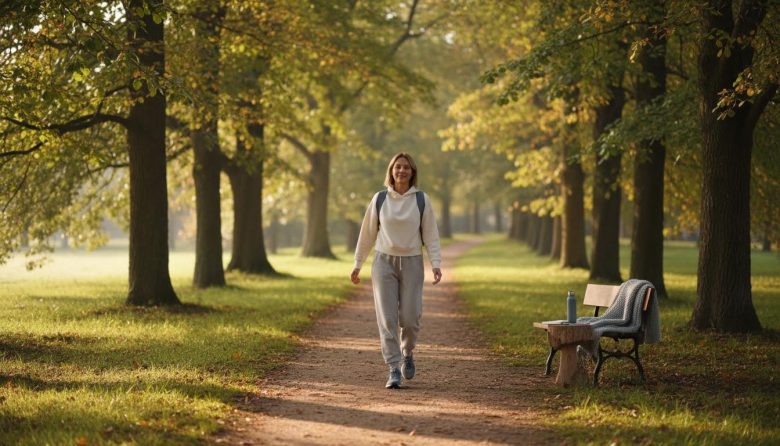
Tweak your path weekly—add a park bench for pauses. These changes keep routines fresh and sustainable. Small environment shifts yield big consistency.
Before-and-After: Real Beginner Routines
Before starting: My days felt chaotic, zero intentional movement amid desk work and errands. Evenings dragged with low energy.
After one week: Post-lunch 15-minute walk became routine, sparking more focus and better sleep. Neighbors became friendly faces too.
Take Sarah’s story—she stacked walks after coffee. Before: Sedentary slumps. After: Steady energy, even fitting in calls during strides.
Try stacking on your strongest daily cue, like after tea. Before/after shifts happen through consistency, not intensity. Yours will unfold uniquely.
Your Next Step
Pick one day’s routine from the table plus your best cue. Try it for 7 days, then tweak based on what felt good.
Start small today—maybe Day 1 after breakfast. You’ll build momentum gently. Share your win if it sparks joy.
Frequently Asked Questions
Can I walk if I have joint issues?
Yes, stick to flat, even surfaces like sidewalks or tracks. Start slower and consult your doctor for tailored advice. Add supportive shoes for comfort—many find gentle walks ease stiffness over time.
What if I miss a day?
No worries at all; just resume with your cue the next day. Focus on the weekly flow rather than perfection. Missing one builds resilience for steadier habits ahead.
How do I know if my pace is right?
Aim for conversational speed where you can chat easily without gasping. It’s brisk but comfortable, like talking to a walking buddy. Adjust as your body warms up naturally.
Should I track steps or time?
Track time for beginners—it’s simpler and cue-focused. Steps can add fun later as your tiny metric. Either way supports sustainable progress.
Can I add podcasts right away?
Absolutely, podcasts enhance enjoyment and cut friction. Choose light episodes for your first walks. It turns movement into a reward quickly.
What if my schedule changes mid-week?
Swap cues flexibly, like morning to evening. Use the table notes as guides. Adaptability keeps the routine yours.
Is it okay to walk in place indoors?
Yes, perfect for bad weather or tiny spaces. March during TV ads or calls. It counts as your core routine fully.