Picture this: you’re midway through a packed day, shoulders hunched over your laptop, neck craned toward your phone. That subtle slouch drains your energy, tightens your back, and leaves you feeling heavier by evening. But flip the script with a quick 1-minute wall stand—back against the wall, heels in, shoulders relaxed—and suddenly your breath flows easier, your focus sharpens, and you stand taller without trying.
These everyday tweaks build posture through low-friction habits, not forced discipline. No gym sessions or rigid rules—just steady cues tied to your routines. You’ll feel small wins in energy and comfort fast. Ahead, a 4-pillar framework plus a simple table make it sustainable for busy schedules.
Start with one pillar today. Watch how passive adjustments anchor your spine. This isn’t about perfection; it’s consistent micro-shifts for lasting alignment.
Stealth Desk Tweaks to Anchor Your Spine All Day
Your workspace sets the stage for posture without extra effort. Adjust once, then let cues remind you. These environment changes cut friction from the start.
Raise your monitor so your eyes hit the top third of the screen. Stack books under it if needed—this keeps your head neutral. Time estimate: 2 minutes setup, effortless after.
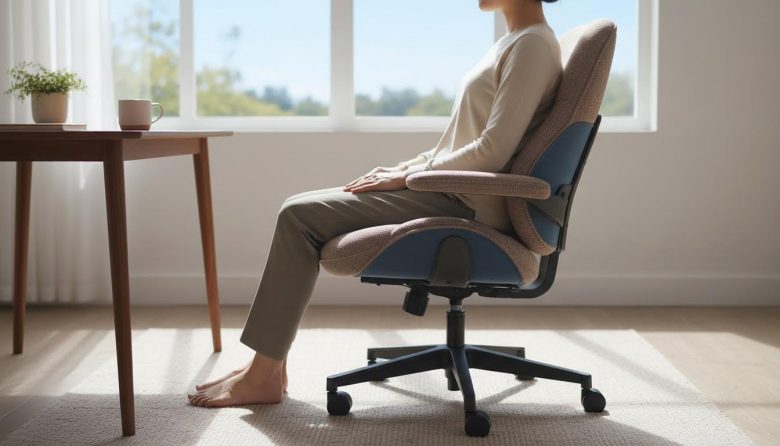
Position your chair so hips align with knees, feet flat. Wedge a small towel roll behind your lower back for lumbar support. Check this at your first coffee sip each morning.
- Quick routine: Every hour, roll shoulders back once (5 seconds). Stacks with email checks.
- Tweak for standing desks: Hinge at hips, not waist, when leaning.
These setups create automatic good habits. Your body settles in naturally over the day.
Phone and Screen Shields Against Neck Strain
Endless scrolling pulls your head forward, adding pounds of invisible strain. Counter it with eye-level holds and elbow anchors. Small resets prevent the creep.
Hold your phone at chest height, elbows tucked to ribs. Use speakerphone for calls. This cuts “tech neck” without awkward grips.
Before a scroll session, set a 10-second timer: chin tuck, gaze up. Imagine a string pulling your head tall. Repeat at red lights or waiting lines.
- Before/after: Slumped feed-scroll leaves neck tight; elevated hold keeps you open and alert.
- Easy tweak: Prop phone on a book during meals.
These friction reducers tie into screen time seamlessly. Consistency builds without thinking.
Walk Taller with Invisible Movement Cues
Daily steps offer prime posture practice. Link shoulder rolls to your gait for steady alignment. No extra time—just smarter movement.
Start each walk with a hip hinge: soften knees, roll pelvis forward gently. Breathe deep to relax traps. Time: 10 seconds to cue.
During commutes, swing arms loosely, imagine crown lengthening. Stack with podcasts for cue power. Small wins show in looser strides.
For deeper routine ideas, explore How to Start a Gentle Daily Walking Habit. It pairs perfectly with these cues.
- Quick fix: Doorway shoulder rolls (3×10 seconds) before outings.
- Progress note: Track easier breathing as your metric.
These invisible habits elevate your walk sustainably. Feel the shift in confidence.
The 4 Pillars Framework for Passive Posture Progress
Anchor lasting change with this simple 4-pillar setup. Each builds on cues and low friction for busy lives. Start with one for quick momentum.
- Space Setup: Tweak your environment first. Feet flat, screen eye-level—reduces decision fatigue. 5-minute weekly check keeps it steady.
- Cue Stacking: Tie adjusts to routines like coffee breaks. Phone alarms or breath pauses as triggers. Builds consistency effortlessly.
- Micro-Adjusts: 5-10 second rolls or tucks. Stack on transitions like standing from chair. Small wins compound daily.
- Reset Rituals: Evening closes lock alignment. Pair with wind-downs for overnight recovery. Sustainable close to your day.
Use the table below as your daily cheat sheet. Pick rows matching your routine. It distills pillars into actionable do’s and don’ts.
| Do This (Good Habit) | Don’t Do This (Common Trap) | Why It Helps | Cue + Time Estimate |
|---|---|---|---|
| Feet flat on floor, knees at 90 degrees | Cross legs or ankles | Stabilizes pelvis, eases lower back load | Desk sit-down, 5 seconds |
| Shoulders down and back, relaxed | Hunch forward over keyboard | Opens chest, reduces neck tension | Mouse click pause, 3 seconds |
| Chin slightly tucked, gaze neutral | Cranium forward while typing | Aligns spine curve, cuts strain | Email send, 4 seconds |
| Elbows at 90 degrees, wrists straight | Reach far for mouse/keyboard | Prevents shoulder creep, steady arms | Hourly stretch cue, 6 seconds |
| Weight even on both hips/sits bones | Lean to one side in chair | Balances core, avoids twists | Phone ring, 5 seconds |
| Quick wall stand on breaks | Slump against wall casually | Resets full spine in seconds | Water break, 30 seconds |
Reference this table morning and night. Tweak rows for your day. Steady use turns pillars into autopilot.
Evening Reset Routines to Lock In Alignment Overnight
End your day with rituals that carry posture into sleep. Low-effort moves release built-up tension. Stack with familiar cues like brushing teeth.
Try a door-frame stretch: arms at 90 degrees, lean forward gently. Hold 20 seconds per side. Eases chest tightness fast.
Pillow prop under knees if back sleeping; between if side. This maintains spine curve passively. Setup: 1 minute before lights out.
For fuller sequences, see How to Create Evening Wind-Down Stretches. It enhances these resets seamlessly.
- Quick routine: Foam roll upper back (lite pressure, 1 minute) while watching unwind shows.
- Tweak: Breath focus—inhale tall, exhale release.
These lock gains overnight. Wake refreshed, ready for tomorrow’s cues.
Common Blockers and Their Frictionless Fixes
Fatigue hits hard, slumping your form. Anchor with breath cues: inhale to lift, exhale settle. 10 seconds restores without force.
Forgetfulness creeps in during rushes. Set phone wallpaper to “Tuck Chin” or use sticky notes on monitors. Visual triggers build recall gently.
Muscle tightness resists change. Doorway pec stretch (20 seconds, 3x daily) loosens fast. Pair with coffee for routine tie-in.
- Sore spots? Wall angels: arms slide up/down (30 seconds).
- Busy override: Pick one blocker fix weekly.
These practical swaps turn blockers into progress points. Keep it light and steady.
Your Tiny Metric for Steady Posture Wins
Track one easy thing: wall checks per day. Aim for 3—morning, midday, evening. Note in phone notes; takes 2 seconds.
This tiny metric spotlights consistency without overwhelm. Watch numbers climb, feel alignment steady. Small wins fuel momentum.
Pick 1 habit + 1 cue from the table. Try for 7 days. Tweak as needed for your flow.
Pair tracking with tips from How to Stay Consistent with Tiny Fitness Wins for extra sustainability.
FAQ
Can I improve posture if I work from home all day?
Yes, pillar 1 space setups shine here—monitor eye-level, chair lumbar roll. Add cue stacking like hourly breath pauses. Steady tweaks make home offices posture allies, with small wins in comfort by week one.
What if I forget my posture cues during busy hours?
Low-friction aids like phone alarms every 90 minutes or desk sticky notes rebuild recall. Habit stack with routines such as standing for calls. Over time, cues become automatic, cutting forgetfulness without added stress.
Is bad posture causing my back pain?
Often linked, as slouch compresses spine and tightens muscles. Start with the tiny metric of 3 daily wall checks for quick relief tests. If pain persists, layer in evening resets; consult pros for tailored advice.
How long until I notice posture changes?
Small wins like easier breathing emerge in 7 days with consistent cues. Sustainable shifts solidify over 2-4 weeks via pillars and table habits. Track your metric to see steady progress without pressure.
Do I need equipment for these tips?
No, all rely on body cues, chairs, and phones you already have. Optional adds like towel rolls or books are household freebies. Focus on frictionless environment tweaks for pure accessibility.