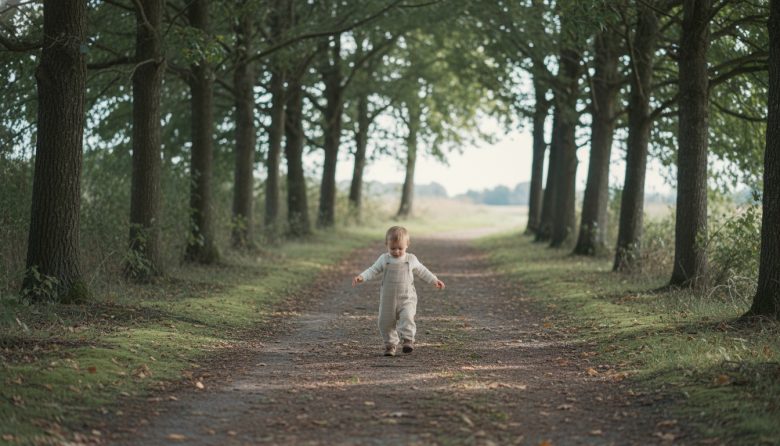
I still remember my first mindful walk on a hectic morning last spring. I’d usually grab my coffee and scroll through emails, feeling scattered before the day even started. But that day, I stepped outside for just five minutes—no phone, just my footsteps—and everything shifted. The cool air cleared my head, birdsong pulled me into the moment, and by the time I returned, I felt a calm focus I’d been missing.
Studies back this up: even short nature exposure can boost serotonin levels, easing stress and lifting mood, according to research from the University of Michigan. Mindful walks lower anxiety through steady breathing cues and help build noticing the small wins around you, like shifting light on leaves. They’re not about distance or speed; they’re a gentle reset for your routine.
In this guide, I’ll share a simple four-pillar framework to get you started, plus ways to handle common blockers and one tiny metric for tracking progress. We’ll cover cues to reduce friction and habit stacking for sustainability. Small starts like these lead to lasting habits—no big overhauls needed. If you’re pairing this with broader movement, ideas from A Week of Easy Walking Routines for Beginners fit perfectly after your first mindful strides.
Before: Rush out the door, headphones in, mind racing. After: Pause at the threshold, shoes on, breathe once—then a five-minute loop noticing colors. That’s the quiet power of mindful walks.
Why Your First Mindful Walk Feels Like a Gentle Reset
Mindful walks offer grounded benefits that sneak up on you. They quiet racing thoughts with simple cues like feeling your feet hit the ground, which research shows can lower cortisol levels steadily over time. Consistency here builds a habit of presence, turning ordinary strolls into moments of calm.
I tried my first urban walk during lunch breaks, spotting vibrant graffiti and rustling leaves amid city noise. What started as a five-minute breather became a daily anchor, improving my focus without force. You might notice sharper mood lifts too, as steady strides sync body and mind.
These walks foster small wins, like hearing distant laughter or feeling wind shifts. They’re sustainable because they fit anywhere—no gym, no gear beyond comfortable shoes. Over weeks, this routine rewires stress responses for lasting ease.
Set Up Cues for Walks That Happen Without Force
Environment tweaks make mindful walks automatic. Place shoes by the door and a small pouch for keys—no phone distractions. These reduce friction, so stepping out becomes a seamless cue.
Habit stacking works wonders: link your walk to post-meal digestion or a gentle alarm. I set a kitchen timer after breakfast; it chimes softly, pulling me outside before I overthink. Short list of prep steps:
- Prep shoes and pouch night before.
- Choose one stacking cue, like after brushing teeth.
- Test a two-minute route from your door.
This setup turned my sporadic tries into a reliable routine. Friction drops, consistency rises, and walks happen naturally.
Follow These 4 Pillars for Steady, Present Strides
These four pillars form a simple framework for mindful walks. Start small—apply one per outing. They build presence through cues and sensory focus, leading to sustainable calm.
- Slow pace anchor: Match steps to a relaxed rhythm, no rushing. I count “one-Mississippi, two-Mississippi” per stride; it grounds me instantly, like on busy sidewalks.
- Breath-sync focus: Inhale for three steps, exhale for three. This cue steadies your nervous system—my favorite for anxious mornings, easing tension in minutes.
- Sensory check-ins: Every minute, note one sight, sound, or feel. Spot a cloud shape or pavement texture; these small wins sharpen awareness without effort.
- Grateful close: End with a quiet “thanks” for one thing noticed. Pausing here reinforces the habit, making repeats feel rewarding.
Practice transitions smoothly: anchor pace first, then layer breath. Over days, this framework turns walks into a flowing routine. For calmer days, blend with flows from Gentle Yoga Flow Routine for Calm Days.
Mindful Walks: Essential Do’s and Don’ts
This table highlights key practices to build your routine. Focus on do’s for low-friction presence, avoiding don’ts that add mental clutter. Each supports steady progress.
| Do This | Don’t Do This | Why It Builds Your Routine |
|---|---|---|
| Scan your surroundings every 30 seconds | Scroll podcasts or calls | Lowers mental friction, invites small wins in presence |
| Sync steps with slow breaths | Rush to hit distance goals | Sustainable cue for calm consistency |
| Pause for one sensory note (e.g., leaf texture) | Ignore weather discomfort | Turns walks into rewarding habits |
| End with a quiet “thanks” reflection | Jump straight to next task | Reinforces positive cues for repeat walks |
Unstick Common Blockers with Friction-Free Fixes
Common blockers pop up, but gentle fixes keep momentum. Here’s how to address them non-judgmentally, focusing on cues and tweaks.
- Time crunch: Shorten to three minutes—door to corner and back. I squeeze these into mornings; they still deliver calm without stealing hours.
- Bad weather: Opt for indoor laps or covered paths. Layer with a light jacket; consistency trumps perfection.
- Boredom: Rotate senses—today sounds, tomorrow textures. Themed walks spark curiosity, turning routine into discovery.
- Fatigue: Shift to evenings or pair with hydration from a 30-Day Hydration and Wellness Daily Plan. Gentle energy builds over time.
These fixes reduce friction, encouraging small wins. Pick one blocker to tweak first for steady flow.
One Tiny Metric to Track Your Quiet Progress
Your tiny metric: log “mindful moments noticed” daily. Jot one to three in a notes app or journal—no pressure, just tallies like “birdsong pause” or “breath sync.”
Example: Week one, I hit two moments; by week two, five emerged naturally. This tracks subtle shifts without overwhelm, highlighting consistency.
Low friction makes it stick—review weekly for small wins. It ties presence to progress, fueling your routine.
Stack Your Walks for Lasting Daily Flow
Habit stacking elevates mindful walks into daily flow. Attach to existing cues: post-toothbrush for mornings or lunch break for middays. I stack mine after coffee, creating a seamless bridge.
Before: Hectic afternoons, slumped at desk. After: Five-minute stack—walk, notice breeze, return refreshed. This builds sustainability through tiny links.
Challenge: Choose one pillar, like breath-sync, plus one cue, like post-meal. Try for seven days, noting your metric. You’ll feel the steady rhythm emerge—warm, approachable steps toward calm.
Frequently Asked Questions
What if I live in a city with no parks?
Urban spots work beautifully—use sidewalks, quiet streets, or building edges for sensory check-ins. Notice alley art, footstep echoes, or distant traffic rhythms. These cues build presence anywhere, turning concrete into your mindful path.
How short can my first mindful walk be?
Start with one to three minutes; even a door-loop counts. Layer one pillar, like slow breaths, to keep friction low. Build via cues as comfort grows, ensuring sustainable starts.
I get bored after a minute—what now?
Switch sensory themes: first walk sounds, next textures. Pause for one curious detail, like shadow play. This rotation adds variety, sparking small wins without complexity.
Bad weather derails me every time.
Try indoor hallways, stairwells, or treadmill with window views. Gear up with comfy layers or rain poncho for outdoors. Adapt cues to maintain consistency gently.
How do I know it’s working?
Watch your tiny metric rise and mood cues like easier focus. Notice fewer scattered moments daily. Steady tracking reveals quiet progress over weeks.