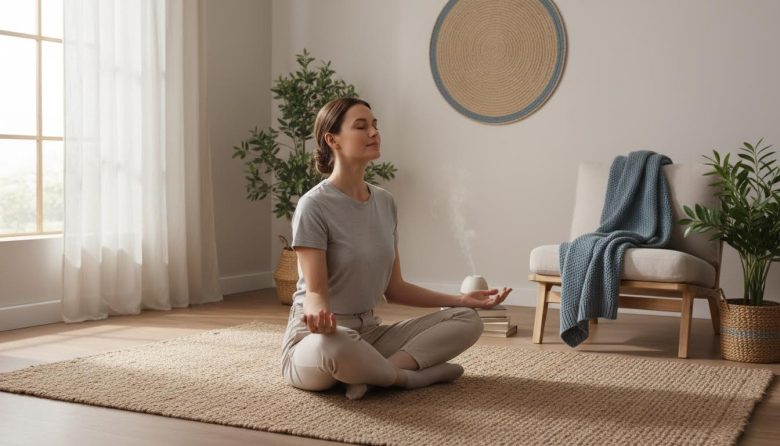
Picture this: It’s 6 p.m., emails piling up, kids yelling, and your shoulders feel like concrete. You pause, close your eyes, and take one slow, deep breath—in through your nose for four counts, out for six. That knot in your chest starts to loosen, almost like flipping a switch from chaos to calm. I’ve been there on overwhelming days, and breathwork became my go-to because it’s always with me, no gear needed.
Science backs this simply: Slow breaths stimulate the vagus nerve, shifting your body from fight-or-flight to rest-and-digest mode. Studies from places like Harvard show even short sessions lower cortisol steadily. When I first tried it during a stressful work call, just one minute left me clearer-headed. Ahead, I’ll share a straightforward framework of breath routines to weave into your day, plus fixes for real-life hiccups, all built for small, sustainable starts.
These aren’t fancy techniques—they’re cues you can stack onto routines you already have. You’ll get steps, examples from my tries, and a side-by-side table to pick what fits. Ready for steadier energy without the overwhelm? Let’s breathe into it together.
Why Everyday Breath Shifts Quiet Your Body’s Stress Signals
Shallow, quick breaths signal stress to your body, keeping the sympathetic nervous system revved up. Steady, deeper ones activate the parasympathetic side, promoting relaxation without force. It’s like giving your nervous system a gentle nudge toward balance.
Take a typical commute: Before breath shifts, you’re gripping the wheel, mind racing through to-dos, arriving tense. After a few cycles of even inhales and exhales, you step out feeling grounded, ready rather than rattled. I stack mine with traffic lights—red light, one full breath cycle.
This habit builds over time through consistency, not perfection. Shallow breaths happen; the win is returning to steady ones as a cue. Your body learns the signal, quieting stress more automatically each day.
Anchor Your Day with a 60-Second Morning Breath Reset
Start here for a gentle launch: Lie or sit comfortably, hand on belly. Inhale slowly through your nose for four counts, feeling your belly rise (not chest). Exhale through pursed lips for six, letting belly fall.
Repeat four to six times, about 60 seconds total. I pair it with my coffee pour—steam rises, breath follows. That cue cut my morning fog; by day three, I noticed steadier focus through breakfast.
Tweak your space: Set a phone reminder labeled “Breathe Easy” for the first week. This diaphragmatic awareness reduces baseline tension, setting a calm tone. Small morning wins like this snowball into even days.
Melt Tension with 4-7-8 Breathing Before Bed
This one’s my evening favorite: Inhale quietly through nose for four counts. Hold for seven. Exhale fully through mouth for eight, making a whoosh sound.
Do four cycles, seated or lying down. I tried it after a long day, scribbling a bedside note: “4-7-8, unwind.” Tension in my jaw eased within minutes, sleep came smoother—no tossing.
Cue it to brushing teeth; low friction since you’re already slowing. Pair it with how to create evening wind-down stretches for deeper release. Consistency here builds restorative nights effortlessly.
Compare Breathing Routines Side-by-Side for Easy Picks
With options like these, match one to your needs—morning energy, midday reset, or evening calm. The table below breaks them down simply, so you spot the best fit without guesswork. I reference it weekly to rotate and keep things fresh.
| Technique | Duration | Best Time/Cue | Key Steps | Stress Relief Win |
|---|---|---|---|---|
| Diaphragmatic | 60 seconds | Morning/coffee | Inhale nose 4, belly rises; exhale pursed lips 6 | Steadies focus, grounds energy |
| 4-7-8 | 2 minutes | Bedtime/teeth brush | In 4, hold 7, out mouth 8 (whoosh) | Melts tension, aids sleep |
| Box Breath | 90 seconds | Midday/email check | In 4, hold 4, out 4, hold 4 | Clears overwhelm, sharpens clarity |
| Alternate Nostril | 3 minutes | Afternoon walk/doorway | Thumb close right nostril, in left; switch, out right; repeat | Balances mind, eases anxiety |
| Resonant (Coherent) | 5 minutes | Post-meal/stand up | In nose 5, out nose 5; equal rhythm | Lowers heart rate, sustains calm |
Glance here when choosing—start with what matches your busiest cue. Each delivers proven parasympathetic boosts, tailored for real schedules.
Sidestep Midday Overwhelm Using Box Breath Cycles
Visualize a square: Inhale for four counts (up side), hold four (right side), exhale four (down), hold four (left). Keep it even, eyes closed if possible.
Do three cycles at your desk. I stack it with email inbox opens—cursor blinks, breath starts. Overwhelm fades; decisions feel clearer, like in my pre-meeting tries.
Environment cue: Sticky note on monitor says “Box It.” This resets cortisol spikes sustainably. Link it to standing from your chair for double the refresh.
Tackle Common Blockers to Keep Your Breath Routine Flowing
Forgetting sneaks in easily—fix with visible cues like a phone wallpaper or door frame note. Pair breaths to transitions, like after how to practice mindful eating at every meal, turning meals into reset points.
Mind wanders? No judgment—gently note it and return to counts. I count aloud softly at first; it anchors without frustration. Progress comes from those returns, building focus steadily.
No time? Shrink to 30 seconds: One full cycle anywhere. I do it in elevators; friction drops, habit sticks. These tweaks keep momentum without pressure.
Feeling skeptical? Start with one blocker fix per week. You’ll see routines flow naturally soon.
Track One Tiny Metric for Lasting Breath Momentum
Your tiny metric: Note daily breath check-ins in a phone app or journal—aim for three moments noticed. One tally mark per session builds proof of progress without overwhelm.
I log mine evenings; seeing “5/7 days” sparked quiet pride. Pick one technique from the table, one cue like post-meal or desk stand-up. Try for seven days—small start, real shift.
This tracking celebrates consistency, fueling more. You’ve got this; one breath at a time leads to lasting calm. Notice how your days feel lighter already?
Frequently Asked Questions
What if I feel dizzy during deep breaths?
Slow your pace right away—shorten counts to 2-2-2 if needed, and always sit or lie down first. Build gradually over days; your body adapts with steady practice. Sip water after, and it passes quickly—I’ve eased through it this way.
Can breathwork help with chronic anxiety?
Yes, it complements therapy beautifully by building nervous system resilience over time. Consistent use, like daily resets, lowers reactivity gently. Chat with your doctor for tailored integration, but many find it a steady anchor.
How soon will I notice less stress?
Small wins often hit in days—calmer reactions during triggers. Sustainable calm builds in weeks with cues and tracking. My steadiness grew noticeably by week two; patience rewards richly.
What’s a good cue for busy schedules?
Tie it to natural transitions, like standing from your desk or doorway steps. These zero-prep moments fit anywhere, stacking effortlessly. I use “feet hit floor” mornings; it flows without extra thought.
Do I need an app or special tools?
Not at all—just your breath and a consistent cue. Apps can remind initially, but hands-free works anywhere, building true portability. Nose breathing solo delivers the wins reliably.