Picture this: I used to slump over my desk all day, feeling that familiar tug in my shoulders and lower back by evening. Mornings were the worst—stiff neck, creaky hips, like my body was protesting every step. Then I started weaving in simple home stretches, just five minutes after my coffee, and everything shifted. Now, I wake up loose and energized, slipping into bed without that nagging tightness.
These routines aren’t about perfect poses or hours of yoga. They’re gentle, cue-based habits that fit your real life, boosting energy, mobility, and calm. I’ve tried them through busy weeks and travel, always coming back to small starts that stick. In this guide, we’ll build your routine step by step with a 4-pillar framework, easy stretches for tight spots, and tweaks to cut friction.
Before: I’d skip movement entirely, ending days exhausted and achy. After: A quick post-brush routine leaves me ready for the day, with looser joints and steadier focus. We’ll cover common blockers with fixes, a tiny metric for tracking wins, and routine options in a handy table. Ready for steady flow? Pick one cue today and build from there.
Anchor Your Stretching in Everyday Moments
Your “why” keeps the spark alive—maybe easing desk tension or prepping for better sleep. I anchor mine to coffee time because that warm mug signals “body care” naturally. Find yours: jot one reason, like “looser hips for evening walks.”
Natural cues make starting effortless. Post-coffee works for mornings; pre-shower cues evening wind-down. Habit stack with brushing teeth—roll your neck while the water runs. This layers new routines onto reliable flows without extra thought.
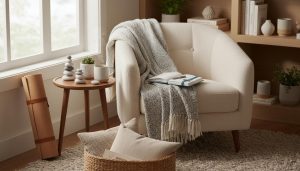
Tweak your space for low friction. Roll out a mat by the TV or keep a towel handy for seated folds. I placed mine near the sink after noticing morning hesitation. These anchors turn “someday” into “right now,” building consistency gently.
When thinking about Quick Tips for Better Sleep Hygiene Habits, pairing stretches with your evening cue enhances relaxation, signaling your body it’s time to unwind.
The 4-Pillar Framework for Effortless Home Stretches
This framework keeps things simple and sustainable: four pillars to guide your routine. Start with one pillar at a time for small wins. I’ve used it to go from zero to daily flow without overwhelm.
- Cue it reliably. Link stretches to a trigger, like after meals or TV episodes. Example: Post-dinner neck rolls cue digestion and release.
- Keep it short. Aim for 2-10 minutes—enough for relief, not exhaustion. I began with 3 minutes, noticing looser shoulders fast.
- Target tension spots. Scan your body daily: tight neck from screens? Focus there first. Personal try: Forward folds eased my back after long sits.
- Celebrate consistency. Note a quick “win” post-stretch, like “felt taller.” This builds positive cues over time.
Apply these pillars daily. Week one: Cue + short time. Add targets next. Steady layering creates flow. Transition to picks that match your spots for real relief.
Pick Stretches That Release Your Common Tight Spots
Start with a body scan: Sit quietly, note tension from head to toes. Common spots? Neck, shoulders, hips, back. Choose 3-5 stretches targeting yours. Breath is key—inhale to lengthen, exhale to deepen.
- Neck rolls: Gently drop chin to chest, roll ear to shoulder. Hold 20 seconds each side, 3 breaths. Eases screen hunch—I do these post-calls.
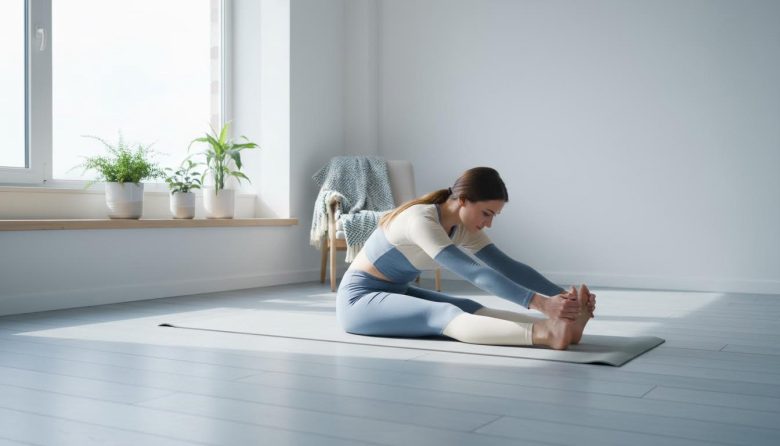
- Seated forward fold: Sit, legs extended, hinge at hips reaching forward. Hold 30 seconds, breathe deeply. Great for hamstrings and back after sitting.
- Cat-cow flow: On all fours, arch and round spine 5 times. Sync with breath. Releases full back; my go-to for desk days.
- Standing quad stretch: Bend one knee, pull heel to glute. Hold 20 seconds per leg. Loosens hips for better walking.
- Child’s pose: Kneel, fold forward, arms extended. Hold 45 seconds. Calms whole body; I stack it pre-bed.
- Shoulder shrugs: Lift shoulders to ears, release slowly 10 times. Quick tension dump anytime.
Hold gently—no forcing. I felt looser after three days. Pair with How to Stay Consistent with Light Activity by adding walks post-stretch for fuller mobility.
Cut Friction with Smart Setup and Routine Layers
Prep cuts hesitation: Clear a corner with a mat or towel. Wear comfy clothes—no changing needed. Apps like simple timers add cues without overwhelm.
Layer routines gradually. Start 1x daily, 2 minutes. Build to morning + evening. Stack on flows: Stretches after coffee, then veggies prep—ties body care to meals.
Environment tweaks shine: Mirror for form check, playlist for rhythm. I keep blocks by my chair for seated days. These reduce “later” excuses, fostering routine.
Variations keep it fresh: Standing for energy, floor for deep release. Sustainable layers mean consistency without boredom. See the table below for options tailored to your level.
| Routine Level | Time Needed | Focus Areas | Sample Stretches | Best Cue Pairing |
|---|---|---|---|---|
| Beginner | 2-5 minutes | Neck, shoulders | Neck rolls, shoulder shrugs | Post-coffee or tooth-brushing |
| Building | 5-7 minutes | Back, hips | Cat-cow, seated fold, quad stretch | Pre-shower or post-meal |
| Daily Flow | 7-10 minutes | Full body | All above + child’s pose | Morning brew + evening TV |
This table compares levels to match your day. Beginners ease in; Daily Flow builds full habits. Pick one, note your cue—integrates seamlessly for steady progress.
Spot Common Blockers and Add Gentle Fixes
Forgetfulness hits everyone. Fix: Set phone cues or sticky notes by triggers. I taped “neck roll?” on my mug.
Too tired evenings? Shift to mornings—energy follows. Sore spots? Shorten holds to 10 seconds, focus breath.
- No time? Shrink to 2 minutes; better than zero.
- Bored? Swap stretches or add music.
- Travel? Hotel cues like post-shower work anywhere.
These non-judgmental tweaks restart flow. Progress comes from adjustments, not perfection. Move to your metric for visible wins.
Measure Progress with One Tiny Metric
Track “stretches completed” daily—a checkmark in phone notes or app. Weekly review: Days done? Tension notes? Simple, no pressure.
Example: Week 1—4/7 days, shoulders looser. Builds proof of small wins. I saw hip ease by week 2, motivating more.
This metric fosters sustainable encouragement. Celebrate patterns, not streaks. Your CTA: Choose one routine level + one cue from the table. Try for 7 days—watch the shift.
Linking to nutrition, consider How to Add More Veggies to Everyday Meals after stretches for fueled recovery and energy.
FAQ
Can I stretch if I’m new to fitness?
Absolutely—beginner routines suit everyone. Focus on gentle holds and steady breath, not depth or speed. Start with neck rolls; I’ve guided friends from zero, seeing quick relief without strain.
What if I miss a day?
No worry—pick up with your next cue, like post-coffee. Consistency thrives on restarts, building neural paths over time. Track your metric to spot patterns, not gaps.
Do I need equipment?
Not at all—bodyweight stretches work anywhere. A towel or mat adds comfort if available, but floor space suffices. I travel with just these, maintaining flow easily.
How long until I feel looser?
Many notice ease in 3-7 days with daily cues. Steady practice deepens effects; log your metric for personal proof. Pair with light activity for faster mobility gains.
Is stretching enough for flexibility?
It’s a strong foundation, improving range gently. Layer with walks or flows for comprehensive gains. Sustainable combos like this create lasting joint health without rush.